Greater Unknown: Algorithm-Based Universe Generation
Greetings, universe conquerors.
The universe generation in SSW1 was decent, but it was not algorithm-based, purely random.
Since the server engine has been switched to Python, it’s time to leverage its capabilities.
Currently, the universe generation for the reset version is half done. Let me introduce the progress and changes.
Galaxy Distribution
Previously, star systems (the points on the map) were placed “randomly”, but to reduce computational load, some predictable prerequisites were added, and the single-layer randomness resulted in insufficient map variation.
Now the galaxy will be fully algorithmically randomized, with ever-changing positions and forms. “Storm zones” have been added, creating large empty areas similar to mountains that block movement, forming terrain.
Star System Clusters
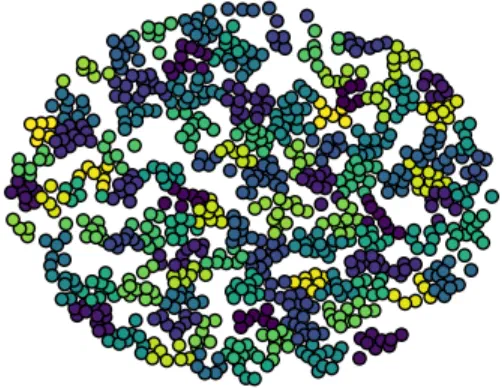
Star systems will be more clustered algorithmically, forming areas similar to island ore fields, but spread throughout the entire galaxy. These serve as important corridor pathways.
More Natural and Unpredictable Star Gates
Star gates are no longer simply connected to their surroundings; instead, algorithms create more natural connections. The picture may be more intuitive.
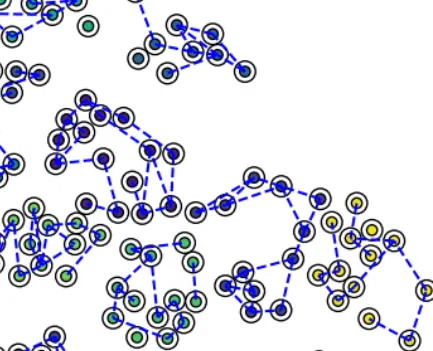
Previously, star gates were somewhat regular, but now they are harder to predict.
Varied Generation Modes
Of course, the above modes can be combined or canceled. The server will automatically generate them, forming various map modes.
This is the current progress. Under Python, it’s very flexible. There may be more changes in the future, so stay tuned.

c5ecb33